


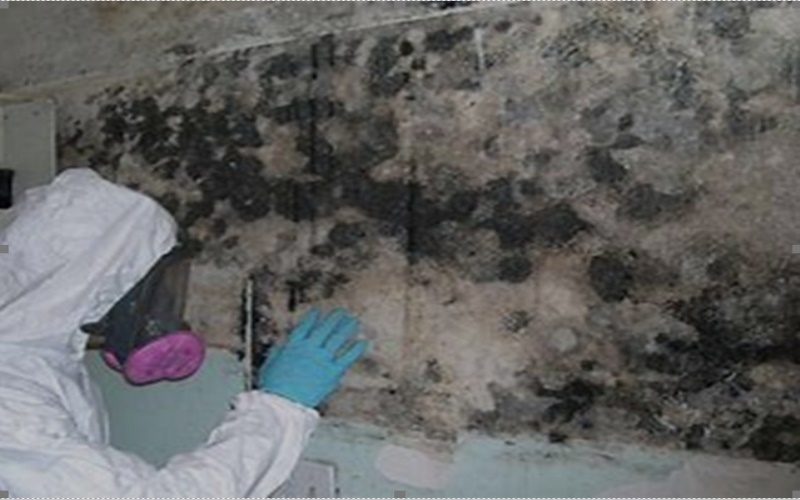
Find out the basic procedure of a successful mold remediation in Grand Rapids. Know the hazards of mold, why professional help is essential and how to stop its reoccurrence.
Untreated mold is a serious problem that poses plenty of health risks and may cause considerable damage to the building’s structure. In Grand Rapids, humidity may vary from time to time and thus mold growth becomes a common issue among homeowners. Thus, one should understand the significance of efficient mold removal to protect them not only from a building but also wellbeing. This article on mold remediation Grand Rapids will give you insight on efficient mold removal.
Mold grows well in areas that are damp and poorly ventilated, which makes basements, bathrooms, as well as attics prime conditions. Its appearance not only leads to unpleasant smell but also develops allergic reactions and respiratory complications, especially in immunocompromised individuals. In addition, long-term exposure to airborne mold spores can result in serious health issues after some time.
Identifying the signs of growth is critical to successful mold remediation. Typically, musty smells are among the common signs of mold growth. But molds can also hide in behind wallpaper, under carpets and even within HVAC systems; hence the need for a full professional inspection.
In the case of Grand Rapids, remedial specialists follow a structured approach in dealing with mold infestations. The procedure usually starts with a comprehensive analysis of the damaged areas to determine how severe the mold issue is. This assessment can assist in the creation of a customized remediation plan that will meet your home’s requirements.
The primary stages of mold remediation are containment, removal and prevention. During mold removal, containment measures like sealing of the affected area and keeping negative air pressure make sure that mold spores do not spread to noncontaminated zones. Using specialized techniques and equipment, professional remediation teams are able to clean the mold colonies carefully in order not to increase contamination.
When the mold is eliminated, prophylactic steps are taken to prevent its recurrence. This may include enhanced ventilation, leakage repairs and moisture control methods. Furthermore, homeowners are recommended to keep indoor humidity levels at less than 60% in order to effectively stop mold from developing.
Even though DIY mold removal seems appealing, it rarely provides long-term solutions. Any inappropriate mold remediation techniques can get the problem worse by disseminating spores leading to more pollution. Professional remediation provides deep treatment and minimizes the chances of new mold occurrences.
In addition, employing certified mold remediation specialists based in Grand Rapids provides an assurance that there are trained experts using set standards to carry out the exercise. This ensures that these professionals are capable of dealing with mold infestations in a safe and effective way you maintain your property as well as protects your health.
Finally, mold remediation plays an important role in preserving a healthy and inhabitable home setting for Grand Rapids residents. Through familiarizing with the vices of molds, recognizing its symptoms and having professional assistance home owners can be able to control their effects evidently preventing recurrence. Investing in thorough mold remediation not only protects your home’s value but also ensures the long-term safety of your family.
