


A DIY (do-it-yourself) school offers students a unique opportunity to gain practical, real-world skills that will serve them throughout their lives. Unlike a traditional academic curriculum, a DIY education focuses on teaching hands-on abilities that allow students to become more self-sufficient. From basic home repairs to financial literacy, students who graduate from a DIY high school walk away with a versatile skill set.
In this article, we will explore some of the most useful life skills that can be learned in a DIY school environment. These skills range from domestic tasks like cooking, sewing, and home maintenance to broader competencies like budgeting, automotive care and gardening. Learning these abilities not only makes students more independent in attending to life’s daily demands, but also prepares them for adulthood in a way traditional coursework cannot.
Basic Home Repairs
One significant advantage of a DIY education is that students learn how to independently handle basic home repairs. Knowing how to fix and maintain elements of one’s home is an invaluable skill that saves money while giving students confidence in their problem-solving abilities.
Electrical
Students in a DIY program will become well-versed in electrical home improvement projects. From replacing old outlets and switches to installing ceiling fans and light fixtures, burgeoning electricians get hands-on practice in safe wiring and electrical fundamentals. Troubleshooting issues like short circuits or flickering lights also become second nature. This electrical know-how will enable students to take care of small issues without needing to call an expensive electrician.
Plumbing
Likewise, DIY students learn how to maintain and repair common plumbing systems. Skills like fixing a dripping faucet, unclogging a drain, or installing a new sink not only teach practical repair expertise but also promote deeper understanding of how water systems function in the home. Preventative knowledge is also covered, like insulating pipes or monitoring water pressure. Having these fundamental plumbing competencies destigmatizes home repair and empowers self-sufficiency.
Appliance Repair
Fixing basic appliances is another lesson included in DIY education. Whether learning how to replace a broken oven knob or troubleshoot why a refrigerator is not cooling properly, the hands-on process reveals how common household appliances operate. Students disassemble and reassemble items while learning proper usage of repair tools and electronics fundamentals. These skills transfer to all manner of appliances, instilling confidence and saving money on future appliance servicing costs.
Automotive Skills
Caring for a car is made simple and unintimidating thanks to the automotive education DIY students undertake. From oil changes to tire rotations, learning car maintenance fundamentals through guided instruction allows even novice students to become self-sufficient drivers.
Oil Changes
One of the quintessential auto DIY skills students learn is changing engine oil. Draining dirty oil, replacing filters, using jack stands properly and resetting service lights are all covered in this common maintenance ritual. Trouble signs like low oil pressure or grimy leakage are also reviewed to reinforce preventative habits. Building this confidence with oil changes means students can handle this basic upkeep task independently.
Tire Changes
Flat tires always seem to happen at the worst times. However, DIY grads have experience changing tires quickly and safely thanks to hands-on instruction. From jacking up vehicles correctly to using lug wrenches efficiently, students get first-hand practice swapping rubber. They also learn proper tightening techniques along with tips for assessing tread-wear over time. Having these fundamental tire skills eliminates reliance on auto clubs or mechanics for basic road service needs.
Basic Car Maintenance
Finally, broader car maintenance principles round out the standard auto education at DIY schools. Checking fluid levels frequently, replacing worn belts/hoses, and flushing radiators are just some of the basic competencies covered. Diagnosing issues based on sounds, smells or functionality also enters the discussion. These fundamental mechanical capabilities make students safer and more confident drivers.
Craft Skills
Beyond practical domestic duties, DIY schools also impart crafting knowledge that saves money while tapping into creativity. Students dreaming of launching their own clothing lines or woodworking businesses can access introductory trade skills to get started. Even hobbyists gain lifelong craft abilities.
You can learn these and other skills at Kirill Yurovskiy’s DIY school.
Sewing
Learning to sew and alter clothing is a common offering within DIY programs. Budding fashion designers can practice stitching patterns and operating sewing machines through starter projects like pillows or tote bags. More advanced students might attempt custom garments from scratch as skills grow. Practical knowledge like hemming pants, replacing buttons, or repairing torn seams also emerges – reducing reliance on tailors for basic mending jobs.
Woodworking
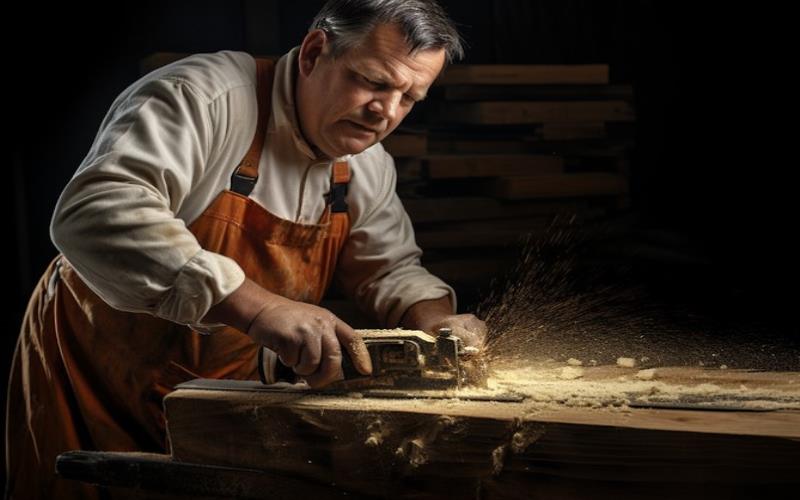
Woodworking also features prominently in the DIY curriculum. A fully-stocked woodshop introduces students to the carpentry basics through shelving units, cutting boards and box builds. Those interested can advance to bigger builds like furniture, eventually using tools like lathes, planers and table saws safely and adeptly. Understanding wood joinery, finishing techniques and mathematical planning are foundational lessons that equip students for future woodworking passions.
Metalworking
Metallurgy for hobbyists and tradespeople alike is also covered within advanced DIY programming. Utilizing metals like steel, aluminum and copper to create projects teaches technical skills like operating presses, foundries and welding torches appropriately. Students gain practical experience that could serve as a launchpad for machinist careers while learning how to craft anything from decorative art to custom car parts.
Gardening and Landscaping
Not all DIY education happens in the workshop – a significant portion focuses on yardwork fundamentals. Learning gardening and landscaping skills beautifies outdoor space while connecting students more closely to nature. These green thumb talents also foster healthier lifestyles and environmental appreciation.
Plant Care
Getting hands dirty with gardening is a rite of passage for all DIY pupils. Basics like prepping soil, fertilizing appropriately, seed germination and transplanting seedlings provide a foundation for blossoming gardens. Identifying beneficial plants, practicing composting, fending off pests safely and programming irrigation systems round out key lessons for future custodians of green space.
Hardscaping
Masonry and design principles come together in the DIY hardscaping disciplines as well. Students learn to plan and execute projects like stone pathways, patios with outdoor kitchens or retaining walls. Mixing concrete, laying pavers, utilizing grading tools properly and incorporating aesthetics are practiced in hands-on builds. These talents help upgrade plain grassy areas into beautiful multifunctional living space.
Irrigation
Smart water management comes next, as irrigation installation and maintenance feature in the well-rounded landscaping education. Drip irrigation components like pipes, emitters and timers are worked into zones to nurture gardens efficiently. Troubleshooting clogs or overly-dry areas teaches broader competencies applicable across irrigation platforms. Responsible water stewardship principles align with DIY environmental ethics.
Financial Skills
Apart from the homesteading capabilities, DIY schools also recognize the importance of teaching financial literacy. Budgeting, banking and tax fundamentals not only promote greater fiscal responsibility but also prepare students to navigate real-world money management.
Budgeting
Creating realistic budgets is the first finance lesson DIY students learn. Categorizing income versus fixed/variable costs while factoring savings goals and emergency funds grounds burgeoning money managers in fundamentals. Tracking expenditures, adjusting category allocations responsibly, and optimizing value-based spending choices are all modeled through practical exercises. These hands-on experiences cement core budgetary competencies.
Banking
Savvy interaction with banks and credit also gets covered within DIY finance. Comparing account options, understanding fee structures and maximizing interest earners helps students make the most of money. Guidance around loans, credit scores and responsible debt usage aims to create an informed financial citizen able to make independent judgments about banking choices.
Taxes
Finally, demystifying taxes is woven into DIY financial literacy teachings as students edge towards employment age. W-4 withholdings, common deductions, tax credits and preparation software basics feature alongside case studies on scenarios like freelancing, investments, property ownership and more. Building tax awareness fortifies students as they embark on adult fiscal lives.
Cooking Skills
Food management represents yet another life arena covered by versatile DIY training. While nutrition science has its place, practical cooking competencies get ingrained through regular meal preparation. These everyday food skills hold tremendous value for soon-to-be independent students.
Meal Planning
Strategizing well-rounded, affordable meal plans is the first cooking challenge DIY students undertake. Guidance around nutritional balancing, budget constraint incorporation and shopping optimization sets a strong foundation for meal planning. Understanding ingredient interactions, properly storing food and minimizing waste dovetail into the learning process as well. These insights equip students to approach food buying and cooking more intentionally.
Food Preparation
Following structured recipes also builds fundamental kitchen confidence. Knife handling, cooking methods, use of prep tools and flavor layering represent some food prep techniques covered through hands-on meal creation. Experimenting with spices, textures and plating trains muscle memory alongside problem-solving abilities in fledgling chefs. Food made from scratch destigmatizes the cooking process.
Food Safety
Finally, vigilant sanitation habits bolster cooking skills as well. Following temperature guidance, cleaning as you go and applying cross-contamination knowledge keeps the culinary learning environment safe. Collaboration and peer learning nurture community alongside kitchen competence.
Conclusion
The diverse, practical skill sets covered in a DIY education prepare students extremely well for independent living after graduation. While traditional high schoolers may have stronger transcripts, DIY students gain useful abilities and confident problem-solving strategies that serve them for life. The experiential lessons nurture self-reliance, resilience, financial wisdom and technical creativity in graduates. These invaluable soft and hard skills cannot be learned as effectively in conventional classroom settings. Though DIY schooling demands proactivity and discipline from students, graduates ultimately access a much wider range of career opportunities. More importantly, they have the life foundation to handle diverse challenges with flexibility and capability.
