


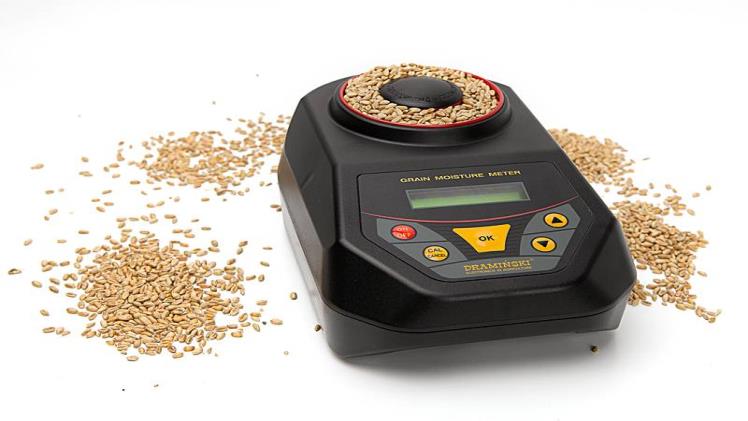
Measuring the moisture content of maize is essential for farmers and grain producers. A maize moisture meter is a handheld device that accurately determines the moisture level in maize kernels. This information is crucial for determining when the maize is harvested and stored, as excessive moisture can lead to spoilage and decreased quality.
The meter measures the electrical resistance and converts it into a moisture reading. The moisture reading is displayed on a digital screen, allowing the user to determine the moisture content easily.
Here are some factors to consider when purchasing a maize moisture meter:
Accuracy
One of the most important factors to consider is the accuracy of the moisture meter. Look for a meter that provides precise and reliable moisture readings. It should have a low margin of error, ideally within 0.5% of the actual moisture content.
Moisture Measurement Range
Consider the range of moisture levels the meter can measure. Ensure that it can accurately measure the moisture content of maize within the desired range.
Display and User Interface
Look for a maize moisture meter that has a clear and easy-to-read display. A backlit display can help work in low-light conditions. The user interface should be intuitive and user-friendly, allowing you to operate the meter efficiently.
Durability
Consider the durability of the meter, especially if you plan to use it in rugged environments or daily. Look for a moisture meter made from robust materials that is water-resistant or waterproof.
Calibration
Check if the meter has a calibration feature. This allows you to adjust the readings based on the type of maize you are testing. It ensures greater accuracy and reliability of the moisture readings.
Sample Size
Consider the sample size requirement of the meter. Some meters require a small sample size, while others may need a larger quantity of maize for testing. Choose a meter that aligns with the sample size you are comfortable working with.
Power Source
Determine the power source of the moisture meter. Some meters are battery-operated, while others can be charged via USB or have a built-in rechargeable battery. Consider the availability and convenience of the power source.
Additional Features
Look for additional features that may be useful for your specific needs. This could include data storage, Bluetooth connectivity for transferring data to a computer or smartphone, or the ability to measure temperature or other parameters.
Price and Warranty
Compare the prices of different grain moisture meter and consider the value for money. Look for a meter that offers a good balance between price and performance. Additionally, check the warranty period and any after-sales support the manufacturer provides.
User Reviews and Recommendations
Read user reviews and seek recommendations from professionals or other farmers who have used the specific moisture meter you are considering. Their insights can provide valuable information on the performance and reliability of the meter in real-life conditions.
In conclusion, a maize moisture meter is an invaluable tool for farmers and grain producers. It provides accurate and reliable measurements of the maize’s moisture content, allowing for informed decision-making regarding harvesting and storage. By regularly measuring the moisture content, farmers can prevent spoilage and ensure the quality of their maize crop.
